The Art of Chess: A Practical Workbook - CM Can Kabadayi
Downloads: 42231
Last checked: Mar. 10th '26
Date uploaded: Mar. 10th '26
Seeders: 24173
Leechers: 11313
INFO HASH: 01C2259A4B5B122271093A662794474FAD191AF5
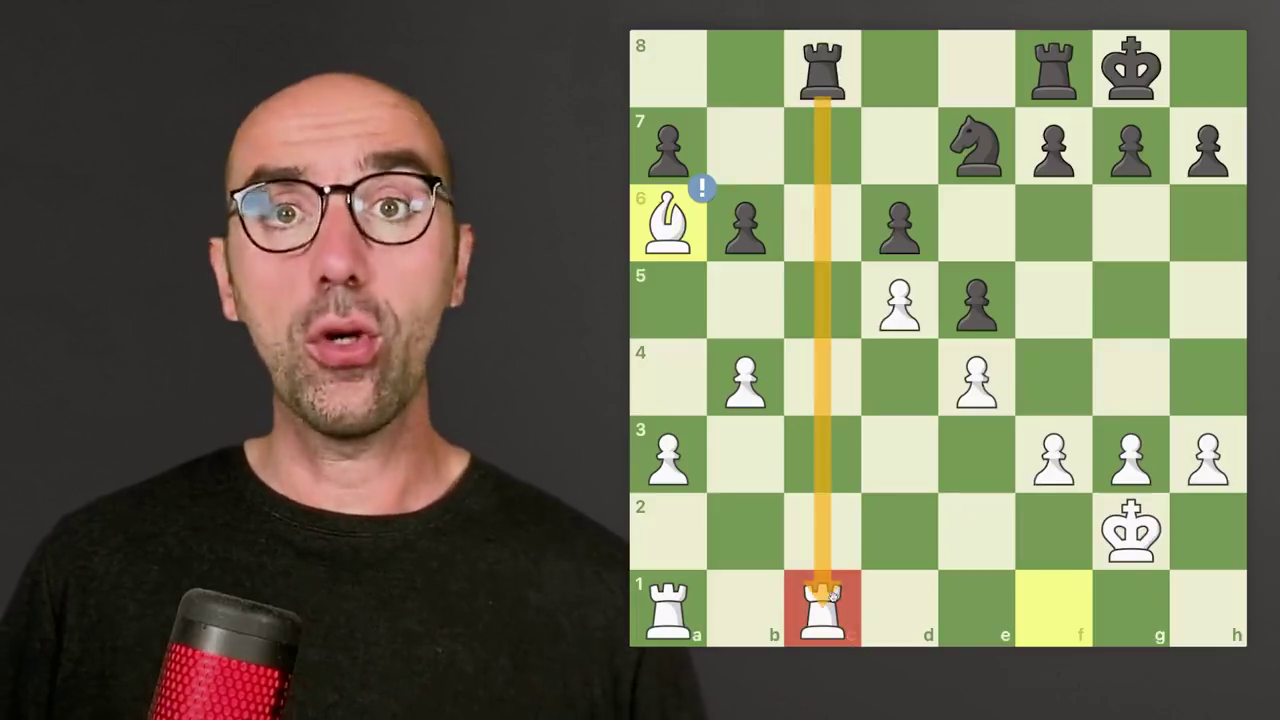
Strategy course by CM Can Kabadayi
Includes video and PGN
Language: English
Lectures: 10
Total Running Time: 11 hours 29 minutes
From the course:
The Positional Puzzle Book
That Helps You Find Strong Moves Faster
Strategy is something many players neglect in their training, even though it can dramatically improve your overall strength. Positional understanding often leads to faster, more reliable decisions than brute calculation or even memorization.
While there are plenty of ways to learn about positional decision-making, there aren’t many ways to practice it through puzzles like you can with tactics.
CM Can Kabadayi is here to change that with a positional puzzle workbook that doesn’t just explain principles, but trains you to apply them under real-game conditions.
The workbook is centered around four positional themes that appear in virtually every game:
➡️ Exchanging Pieces
➡️ Awakening Pieces
➡️ Burying Pieces
➡️ Multi-Purpose Moves
With nearly 200 mixed-theme puzzles from real games, you’ll sharpen your intuition to find strong moves faster.
How This Workbook Will Help You:
This workbook aims to refine your understanding until choices like the ones above feel natural. CM Can Kabadayi helps you get there with a structured, psychologically grounded method.
The workbook is organized into three clear parts:
1️⃣ Introduction: concise explanations with model positions for each theme
2️⃣ Multiple choice chapter: select between two plans
3️⃣ Three test chapters: mixed puzzles with increasing difficulty
With these three stages, you’ll build your intuition progressively. First you’ll grasp the core concepts, then practice them with a limited set of options, and finally apply them in mixed exercises where the only cues are the pieces on the board — perfect preparation for real games.
Plus, you’ll learn from memorable examples: many of the exercises are taken from the games of great players like Karpov, Kasparov, and Tal!
Related Torrents
- Udemy - Gymnastics Lessons Vol. 1 - Floor Exercise782.7 MB
- Udemy - LLM Prompt Injection CyberSecurity Testing316.5 MB
- Udemy - Renew Your Power Bi Data Analyst Certification (Pl-300 Ex...2.5 GB
- Redesigning Workflows for AI (2026)2.2 GB
- Udemy - AWS Certified Cloud Practitioner CLF-C02 Mastery417.5 MB
- Udemy - Decision-Making Under Uncertainty - The Antifragile Frame...633.5 MB
- Udemy - Basics of Oracle Fusion OTBI - Reports and Dashboards2.0 GB
- Udemy - AI for Business Analysts - Requirements, Data and Deliver...1.2 GB